The drone CE marking is a mandatory requirement for placing a drone on the EU market under drone regulations Europe. To affix the CE Mark, manufacturers shall follow the route through the conformity assessment process. This page describes the mandatory requirements, certification and classification procedures for CE drones in accordance with EU drone regulations (EU 2019/945 and EU 2019/947).
CE Marking Explained
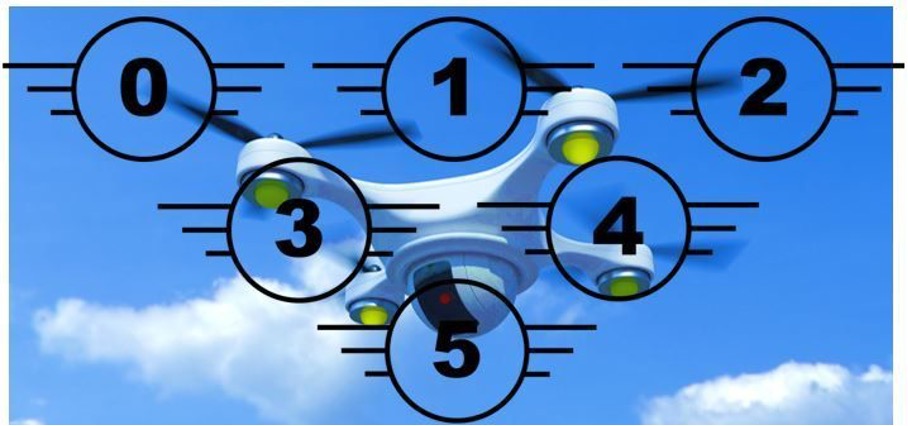
When affixing the drone CE marking, manufacturers indicate that the product is in conformity with the applicable requirements set out in Union harmonisation legislation. CE marking explained: the CE mark is not an independent certificate – it is the legal declaration that a product meets all applicable requirements. CE marking is required for all UAS in classes C0 to C6 and remote identification add-ons marketed within the EU. A CE drone must therefore meet all applicable technical and safety requirements before the mark can be affixed.
In case of drones (UAV) the key step is the conformity assessment procedure under Regulation (EU) 2019/945. It is necessary to identify all applicable legislation for the drone CE marking.
Purpose of CE Marking for Drones
Many products require CE marking before they can be sold in the EU. The purpose of CE marking is to indicate that a product meets the requirements set out in EU harmonised legislation and allows it to be moved and marketed freely within the EU regardless of where it is manufactured.
According to Regulation (EC) 765/2008, the CE marking shall be the only marking which indicates the compliance of the product with the applicable requirements of the relevant Community harmonisation legislation providing for its affixing.
CE marking is only required for products covered by harmonised EU legislation that specifically mandate it. If no such EU requirements exist for your product, CE marking must not be used. In the case of drones (UAV), the EU delegated Regulation (EU) 2019/945, which lays down the requirements of conformity assessment and drone CE marking processes and determines the method of classification of UAs.
EU Regulation 2019/945 as the Legal Basis
The legal basis for CE requirements for drones is regulated by Regulation (EU) 2019/945. This Regulation describes the UAS conformity requirements, including CE marking and provisions related to third-country operators. It determines the requirements for the design and manufacture of unmanned aircraft systems and defines the type of UAS whose design, production and maintenance shall be subject to conformity assessment procedure or certification. It also establishes the requirements for the various UA classes, which determines the applicable technical, compliance, and certification procedures.
CE Marking vs Product Conformity
Once the manufacturer affixes the CE Mark, they need to go through a procedure. By affixing the drone CE marking, the manufacturer declares that the product complies with all applicable requirements set out in Union harmonisation legislation. One of the essential elements of CE marking is the assessment of product conformity through testing and the preparation of technical documentation. It is important to understand that CE drones carry the mark only after all conformity steps are completed – the mark is the result of the process, not the starting point.
How CE Marking Applies to Drone Manufacturers
Drone CE marking is required for UAS placed on the EU market. CE marking is only required for products covered by harmonised EU legislation that specifically mandate it. If no such EU requirements exist for your product, CE marking must not be used.
How to get CE marking for drones? Unmanned aircraft systems (UAS) and remote identification add-ons (DRI Add-on) must comply with the essential safety requirements (ESR) before being placed on the EU market. They must meet the requirements of the conformity assessment procedure and go through the assessment of test results and documentation in relation to the requirements of Regulation (EU) 2019/945. In case of EU-Type Examination or Conformity based on full quality assurance, a Notified Body must be involved in the conformity assessment procedure and shall issue a certificate to the manufacturer. Ultimately the manufacturer shall issue a Declaration of Conformity (DoC) under its sole responsibility and affix the CE mark to the product once all applicable harmonised legislation requirements are met.
Common Manufacturer Misunderstandings About CE Marking
The drone CE marking applies to the product – in this case to the UAS. Affixing the CE marking does not replace any other licence, registration document, or pilot permit. Such pilot licences relate to the operation of drones, not to the conformity of the product. CE marking is not “given” by Notified Bodies – the CE mark is affixed by the manufacturer once all applicable harmonised legislation requirements are fulfilled and the Declaration of Conformity is issued.
CE Marking Within European Drone Regulations
The certification requirements related to UAS have been established in Regulation (EU) 2019/945 since 2019. It covers the certification process including CE marking, classifications and technical parameters. It is closely linked to the Implementing Regulation (EU) 2019/947, which sets out the requirements for UAS operation and registration. Understanding drone CE marking within the broader context of drone regulations Europe is essential for manufacturers planning EU market entry.
Summary
The drone CE marking related to drone systems (UAS) constitutes a mutually reinforcing legal and technical compliance framework. The CE marking requirements are based on several pillars: the identification of applicable harmonised legislation, the determination of essential requirements, and conformity assessment including testing. For manufacturers navigating EU market access, drone CE marking is the starting point – further guidance on conformity assessment modules and EN4709 standards is available in our related articles.